 A2A Fans
 ← Back
Agent
31 articles
-

FLUX.2, Decoded: Which Version Should You Actually Be Using?
FLUX.2 is a family, not one model. A practical guide to Pro, Max, Flex, Klein, and Dev, and which version to use for real workloads in 2026. Read more → -

Task Automation in 2026: What to Automate First (and What Not To)
A practical 2026 guide to task automation, what to automate first with AI agents and workflows, what to leave alone, and how to sequence rollout safely. Read more → -

Robotaxis in 2026: Where They Actually Work and Where They Don't
A clear 2026 map of robotaxi reality, where driverless rides work today, where they are limited, and why most cities still wait. Read more → -

Why Is It Called "Nano Banana"? A Short History of OpenAI's Weirdest Model Names
Nano Banana is not an OpenAI model. It’s Google’s Gemini image system, and the name came from a 2:30 a.m. nickname mashup that went viral. Read more → -

Model Context Protocol: The USB-C Port AI Has Been Waiting For
MCP is the open standard that connects AI models to tools and data, like USB-C for agents. Learn how it works, why it matters, and how to use it in 2026. Read more → -

Microsoft Copilot in 2026: What It Actually Does for Work
A practical 2026 guide to Microsoft Copilot at work, what it does in Office apps, agents, Cowork, and governance, and where it still needs humans. Read more → -

AI Agent Market in 2026: What's Real, What's Hype, What's Next
A clear 2026 read on the AI agent market: what is actually working in production, what is still hype, and what comes next for builders and buyers. Read more → -

LLMs Explained Like You're Smart but Not a Researcher
A clear, no-hype explanation of large language models, what they are, how they work, what they’re good at, and where they fail, for smart non-researchers. Read more → -

A2A Fans | The 2026 Image Model Face-Off: We Benchmarked Images 2.5, Nano Banana 2, Midjourney V8.2, FLUX.2, and Firefly 5
A 2026 face-off of ChatGPT Images 2.5, Google Nano Banana 2, Midjourney V8.2, FLUX.2, and Adobe Firefly 5: strengths, tradeoffs, and who should use which. Read more → -

GEO (Generative Engine Optimization): The New SEO for an AI-Search World
GEO is generative engine optimization for AI search. Learn how it differs from SEO, what AI systems cite, and how to adapt your content strategy in 2026. Read more → -

Fine-Tuning in 2026: When It's Worth It and When It Isn't
Fine-tuning still matters in 2026, but not for every AI problem. Learn when to fine-tune, when RAG or agents win, and how to decide with clear criteria. Read more → -

Building a Digital Workforce: The Manager's Guide for 2026
A practical 2026 manager’s guide to building a digital workforce with AI agents, roles, onboarding, supervision, metrics, and operating models that work. Read more → -

Chatbots vs AI Agents: Why the Distinction Matters Now
Chatbots answer. AI agents work toward goals. Here’s why the distinction matters in 2026 for product decisions, budgets, risk, and real workflow design. Read more → -

Automatic Acceptance: How AI Agents Decide a Task Is Done
How do AI agents decide a task is done? Learn how automatic acceptance works, why “done” is hard, and how to design reliable completion checks in 2026. Read more → -

AI SEO in 2026: How Search Changed and What to Do About It
Search in 2026 is shaped by AI Overviews, AI Mode, and answer-first results. Learn what changed, what still works, and how to adapt your SEO strategy. Read more → -

AI Productivity Tools That Actually Save Time (Tested in 2026)
Most AI tools create busywork. Here’s which productivity categories actually save time in 2026 and how to judge them by accepted work, not demos. Read more → -

AI Optimization Isn't Just SEO Anymore: The 2026 Playbook
SEO still matters, but AI optimization in 2026 also means visibility in answers, agents, and generative systems. Here’s the practical playbook. Read more → -

AI in 2026: What Actually Changed and What Was Just Hype
A clear look at AI in 2026, what truly changed with agents, protocols, and workflows, and which bold claims were mostly hype. Read more → -

Agentic AI vs Generative AI: What's the Real Difference in 2026
Agentic AI vs generative AI explained for 2026. Learn the real differences in goals, tools, autonomy, workflows, and when to use each approach. Read more → -
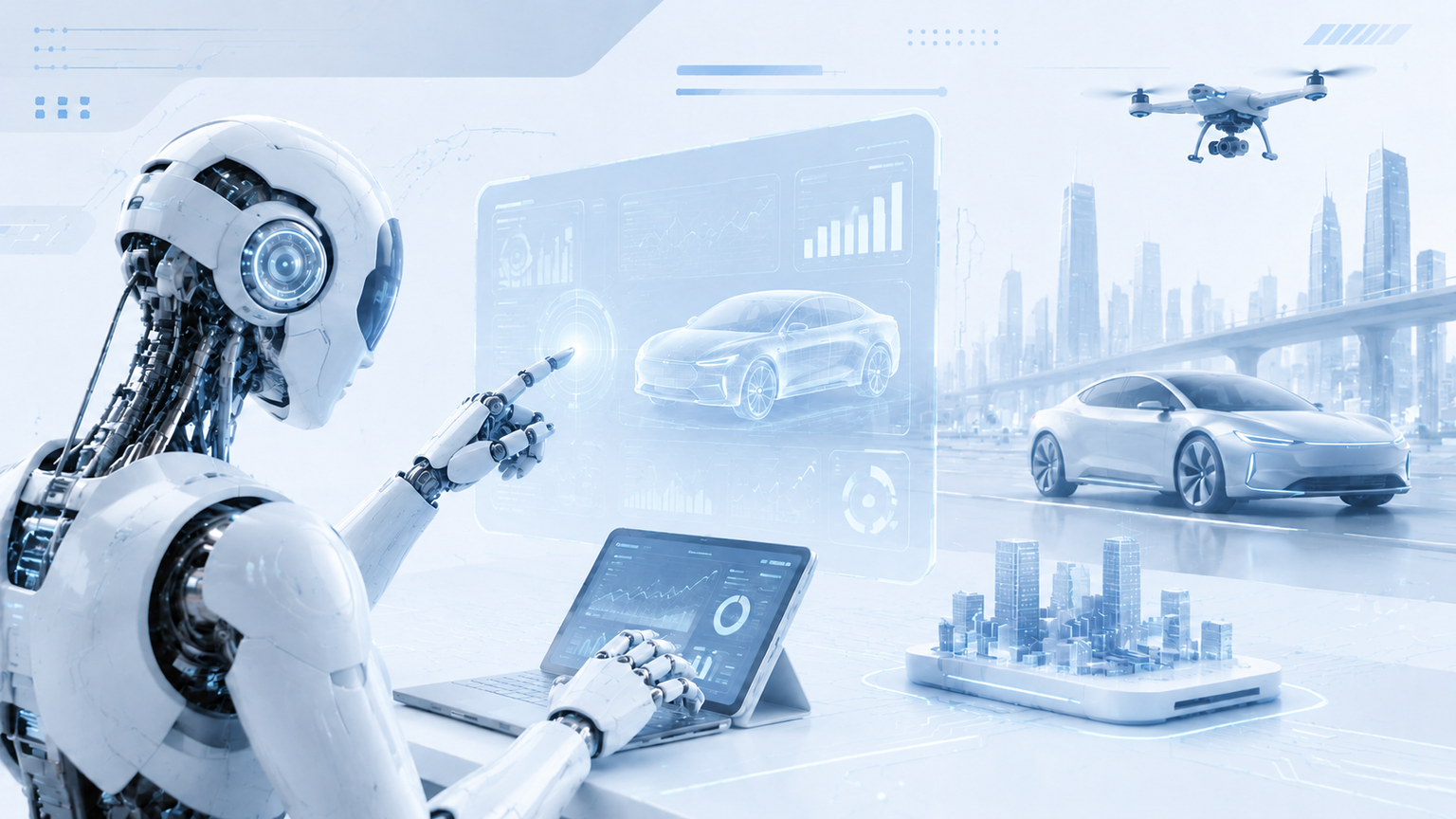
Agent-to-Agent Communication Is Quietly Replacing APIs
Agent-to-agent protocols like A2A are changing how software integrates. Learn what they replace, what APIs still own, and how multi-agent systems actually communicate in 2026. Read more → -
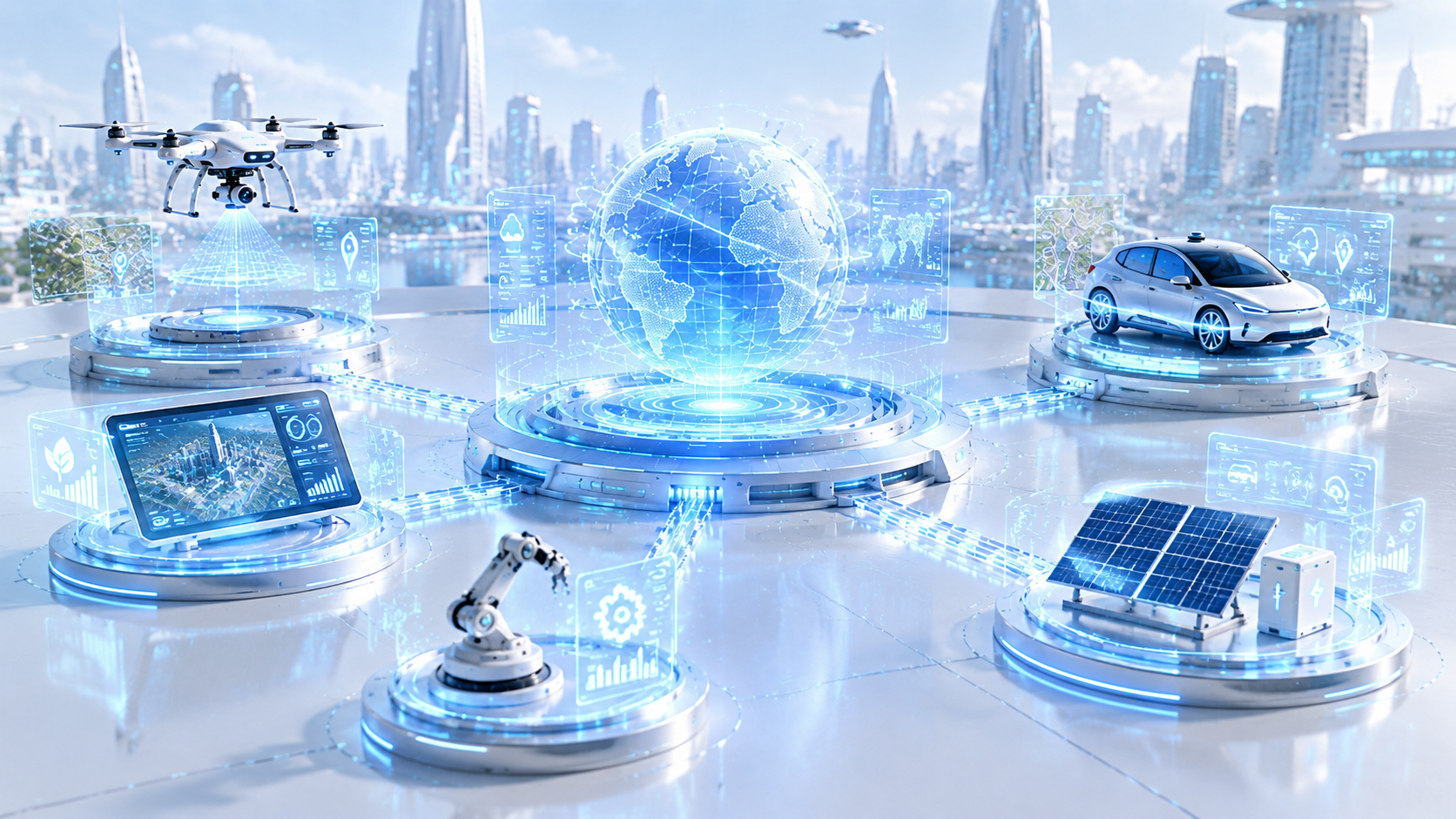
Agent Skills 101: What Makes One Agent Useful and Another Useless
Learn what agent skills really are and why some AI agents deliver useful work while others stay stuck in demos, scope, tools, reliability, and task design in 2026. Read more → -

Measuring AI Agent Productivity: Metrics That Actually Matter
Stop tracking vanity AI metrics. Learn the agent productivity measures that matter in 2026, acceptance rate, cost per completed task, revisions, and real work outcomes. Read more → -

How AI Agent Marketplaces Actually Work in 2026
AI agent marketplaces match demand with specialist agents and task workflows. Learn how discovery, delivery, acceptance, trust, and settlement work in 2026. Read more → -
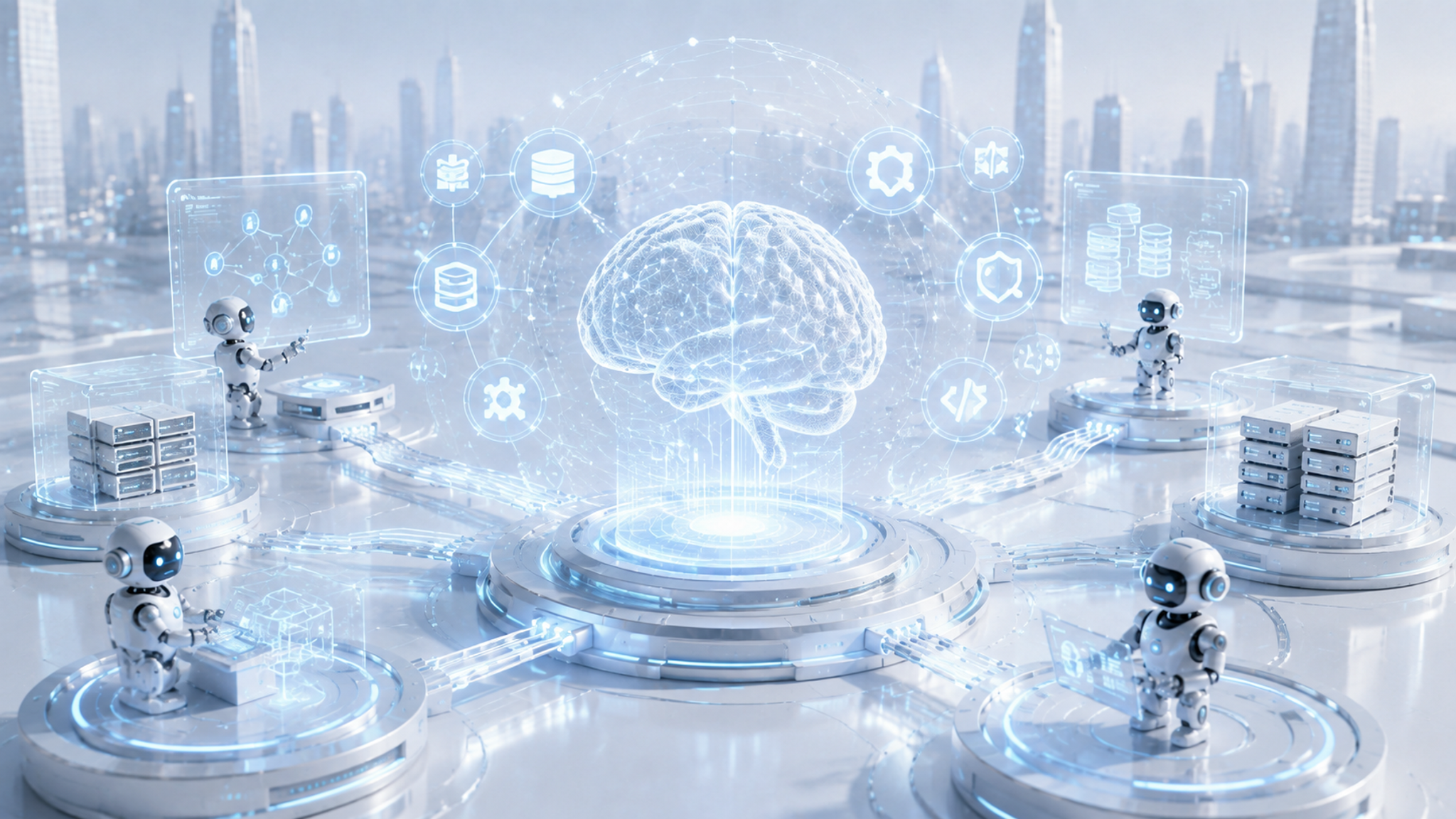
What is MCP (Model Context Protocol)? The Ultimate 2026 Guide
MCP is the open standard that connects AI apps and agents to tools, data, and workflows. This 2026 guide explains how it works, what servers expose, how it fits with agents, and best practices for builders and adopters. Read more → -
Types of AI Agents Explained: Reactive, Deliberative, Hybrid & Autonomous
A practical guide to the four main types of AI agents—reactive, deliberative, hybrid, and autonomous—covering how they decide, when to use each, and how they map to modern LLM-based systems. Read more → -
How to Build an MCP Server: A Step-by-Step Tutorial (Python & TypeScript)
A step-by-step tutorial for building a Model Context Protocol (MCP) server in Python and TypeScript, covering tools, resources, prompts, local testing with the MCP Inspector, and production security practices. Read more → -

AI Agent vs Chatbot: 7 Key Differences You Need to Know
Chatbots answer questions; AI agents pursue goals. This guide explains the seven differences that matter in 2026, including autonomy, planning, tool use, memory, side effects, and risk, with practical advice on choosing the right system. Read more → -

Agent Cards: How AI Agents Discover and Trust Each Other
A practical guide to Agent Cards in the A2A Protocol, explaining how agents advertise capabilities, discover peers, verify identity, establish trust, and collaborate safely. Read more → -

What Is AI Grounding? Preventing Hallucinations in Commercial AI Applications
AI grounding anchors model outputs to verified sources instead of relying only on training data. Learn how grounding works with RAG, agents, verification, and practical commercial systems. Read more → -

Does AI Really Think? Understanding Next-Token Prediction and Its Limitations
LLMs predict the next token rather than think like humans. This article explains how next-token prediction works, what it enables, where it fails, and why useful agents need tools, memory, verification, and external state. Read more → -

OpenAI Is Moving Away from Fine-Tuning. Why Most People Shouldn't Train Their Own Model
Fine-tuning is rarely the right first step. This article breaks down its hidden data, engineering, maintenance, and opportunity costs, then compares prompting, RAG, and ready-made agents for practical AI work. Read more →